Professional Pool Opening & Closing Services: What’s Included and Why It’s Worth It
Seasonal pool maintenance is far more complex than simply removing a cover in spring or shutting down equipment in fall. Proper pool opening and closing require a detailed, methodical approach that protects the structural integrity of the pool, ensures water quality, and safeguards expensive equipment. As residential and commercial pool ownership continues to grow, so does the need for professional-grade maintenance services that go beyond basic upkeep. Mistakes made during seasonal transitions can lead to costly repairs, unsafe swimming conditions, and long-term damage that could have been avoided with expert care.
Professional pool opening and closing services are designed to eliminate these risks through proven processes, specialized tools, and industry expertise. These services not only prepare the pool for safe and efficient use but also extend its lifespan and optimize performance. From chemical balancing and equipment inspection to winterization and debris management, every step plays a critical role in maintaining a healthy pool system. Understanding what these services include and why they are worth the investment helps property owners make informed decisions that protect both their pool and their financial investment over time.
1. What’s Included in Professional Pool Opening Services
Opening a pool involves much more than uncovering it and turning on the pump. A structured process ensures the pool is safe, clean, and ready for use, while also preventing early-season operational issues and potential long-term maintenance complications.
Cover Removal and Debris Management
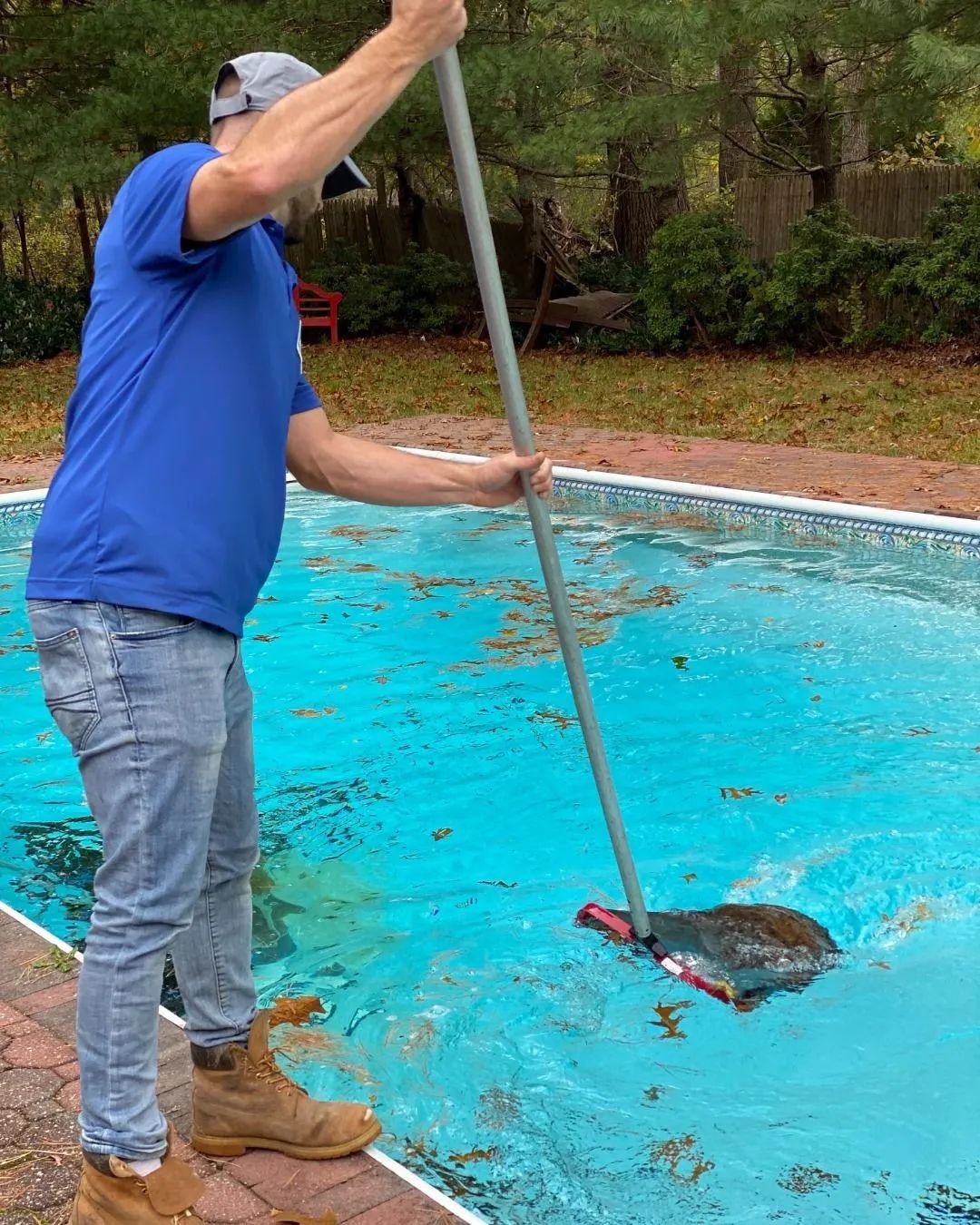
The first step involves carefully removing the pool cover while preventing accumulated debris from entering the water. Leaves, dirt, and standing water are cleared to avoid contamination and unnecessary strain on filtration systems. Improper handling at this stage can introduce bacteria and algae growth before the pool is even operational.
Equipment Reassembly and Inspection
All pool equipment—including pumps, filters, heaters, and chlorination systems—is reconnected and inspected thoroughly. Professionals assess for cracks, leaks, or wear that may have developed during the off-season due to weather exposure. Early detection prevents system failures during peak usage and avoids costly mid-season repairs or disruptions.
Water Level Adjustment and Circulation Restart
Water levels are restored to optimal levels, ensuring proper skimmer and pump functionality for efficient operation. Circulation systems are then restarted to begin filtering and distributing chemicals evenly throughout the pool, promoting balanced water chemistry and preventing stagnation or uneven treatment.
Chemical Balancing and Shock Treatment
Water chemistry is tested and adjusted to safe levels using professional-grade testing methods and tools. This includes balancing pH, alkalinity, and sanitizer levels to meet safety standards. A shock treatment is typically applied to eliminate bacteria and contaminants that may have developed during winter months.
Surface Cleaning and Final Preparation
Walls, floors, and tile lines are brushed and vacuumed to remove residue buildup and stubborn deposits. The result is a clean, clear pool that is safe and visually appealing for immediate use, while also ensuring proper surface condition and long-term material protection.
2. What’s Included in Professional Pool Closing Services
Closing a pool correctly is critical for protecting it during colder months and preventing damage that could occur while the system is inactive. A detailed closing process ensures the pool remains stable, secure, and easier to reopen in the next season.
Thorough Cleaning Before Shutdown
Before closing, the pool is cleaned extensively to remove debris, algae, and contaminants from all surfaces and water areas. Leaving organic matter in the pool during winter can lead to staining, water imbalance, and difficult reopening conditions that require additional time and expense.
Water Chemistry Stabilization
Chemicals are carefully balanced to ensure the water remains stable over time during months of inactivity. Winterizing chemicals are added to prevent algae growth and scale formation during the off-season, protecting both water quality and internal surfaces from deterioration.
Lowering Water Levels and Draining Lines
Water levels are reduced to prevent freezing damage in colder climates where expansion can occur. Plumbing lines are blown out and drained to eliminate trapped water that could expand and cause cracks or ruptures, leading to expensive structural repairs later.
Equipment Winterization
Pumps, filters, heaters, and other components are either drained or removed and stored safely depending on system requirements. This step protects critical systems from freezing temperatures, corrosion, and unnecessary wear that can reduce equipment lifespan and efficiency.
Secure Pool Cover Installation
A durable, properly fitted cover is installed to protect the pool from debris, weather exposure, and unauthorized access throughout the off-season. This final step is essential for maintaining the pool’s condition until reopening and minimizing maintenance requirements later.
3. Why Professional Services Deliver Better Results
Precision and Technical Expertise
Time Efficiency and Convenience
Reduced Risk of Costly Repairs
4. Common Challenges in DIY Pool Opening and Closing
Incomplete Cleaning and Contamination
Without proper tools or techniques, debris removal may be insufficient, leading to water contamination and algae growth over time. This can create additional maintenance challenges and require more extensive cleaning efforts later.
Incorrect Chemical Handling
Balancing pool chemicals requires precise measurements and a clear understanding of water chemistry principles. Mistakes can result in unsafe swimming conditions or damage to pool surfaces, liners, and sensitive equipment components.
Equipment Damage Due to Improper Handling
Reassembling or winterizing equipment incorrectly can lead to leaks, reduced efficiency, or complete system failure. Improper handling can also void warranties and significantly increase long-term repair or replacement costs.
Overlooking Hidden Issues
Small cracks, worn seals, or minor leaks often go unnoticed without professional inspection and trained evaluation. These issues can escalate into major problems if left unaddressed, affecting both safety and overall system performance.
5. Best Practices for Maximizing Pool Longevity
Schedule Seasonal Maintenance Early
Booking professional services before peak seasons ensures availability and allows sufficient time to address any issues before they worsen. Early scheduling also helps avoid delays during high-demand periods.
Maintain Regular Inspections
Routine inspections throughout the year help identify potential problems early, reducing the likelihood of unexpected repairs and costly breakdowns. Consistent monitoring supports better overall system reliability and efficiency.
Invest in Quality Covers and Equipment
Using durable covers and high-quality components enhances protection during off-seasons and improves overall system performance. Quality materials also reduce wear and extend the lifespan of pool systems.
Follow a Consistent Maintenance Routine
Even with professional opening and closing services, maintaining regular cleaning and chemical checks throughout the season is essential for long-term pool health. Consistency ensures balanced water and optimal functionality.
Work with Experienced Professionals
Choosing experienced service providers ensures that all aspects of pool maintenance are handled with expertise, reliability, and attention to detail. Professional experience contributes to better outcomes and fewer long-term issues.
6. Long-Term Value of Professional Pool Care
Protecting Structural Integrity
Seasonal services prevent damage caused by environmental factors, chemical imbalance, and equipment failure over time. This helps preserve the pool’s structure and reduces the risk of major repairs or renovations.
Enhancing Energy Efficiency
Well-maintained equipment operates more efficiently, reducing energy consumption and lowering operational costs throughout the pool’s lifespan. Efficient systems also contribute to more sustainable and cost-effective pool management.
Improving User Experience
A properly maintained pool offers clear water, safe conditions, and reliable performance for everyday use. This enhances overall enjoyment, usability, and confidence in the pool’s condition.
Increasing Property Value
A well-maintained pool adds value to a property and improves its overall appeal to potential buyers. Professional care ensures that the pool remains an asset rather than a liability over time.
Dedicated Pool Specialists Committed to Long-Term Performance
Tri-M Pools, a trusted name in pool cleaning in Southampton, New York, brings over 50 years of industry experience to every project. With decades of hands-on expertise, we understand the complexities involved in properly opening and closing pools across varying conditions and system types. Our approach is built on precision, consistency, and a deep commitment to maintaining the highest standards in pool care.
We prioritize thorough inspections, accurate chemical management, and meticulous equipment handling to ensure each pool operates at peak performance. Seasonal services are executed with attention to detail, minimizing risks while maximizing efficiency and longevity. Every pool is treated as a long-term investment, and every service is designed to protect that investment through proven techniques and reliable execution.
By combining experience with modern best practices, we deliver dependable results that property owners can trust. Whether preparing a pool for summer use or securing it for the off-season, our focus remains on quality, safety, and lasting performance.